


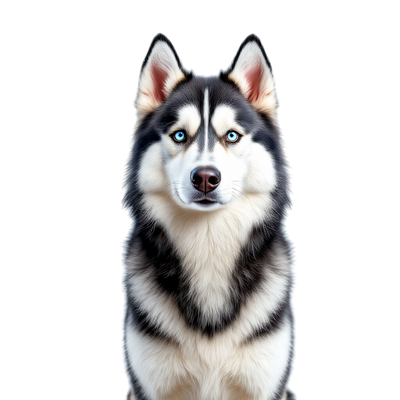
Siberian Huskies: The Striking Athletes of the Snow!
A comprehensive guide to the energetic, vocal, and breathtakingly beautiful Siberian Husky breed.

Adaptability
Siberian Huskies are incredibly resilient but have very specific environmental needs. Born to pull sleds in freezing temperatures, they thrive in cold climates and struggle significantly in extreme heat. They are highly active pack animals that generally do poorly in apartments; they need homes with large, securely fenced yards and owners who can provide them with constant companionship and vigorous daily exercise.
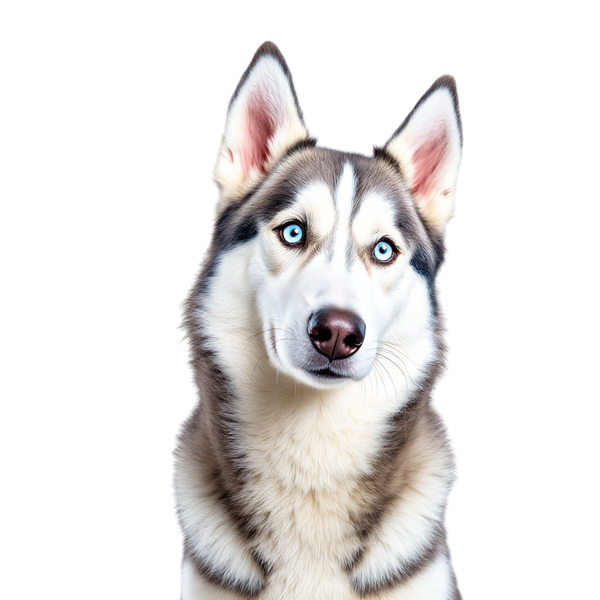
 Hot weather tolerance up to 30°C
 Cold weather tolerance up to 10°C
Siberian Husky Personality & Traits
Huskies are notoriously friendly, playful, and outgoing. They have a mischievous streak and are known as independent thinkers. Unlike many dogs, they rarely bark but are incredibly vocal, communicating through an extensive vocabulary of howls, "woos," and dramatic groans.
Siberian Husky Diet
Because they were originally bred to survive and work hard on minimal food in harsh conditions, Huskies actually require less food per pound than many other breeds of a similar size.

Choose a protein-rich diet
Focus on high-quality meat sources to fuel their high energy and maintain their muscular build.


Avoid fillers & additives
Keep their digestion smooth and coat shiny with natural, grain-free options.
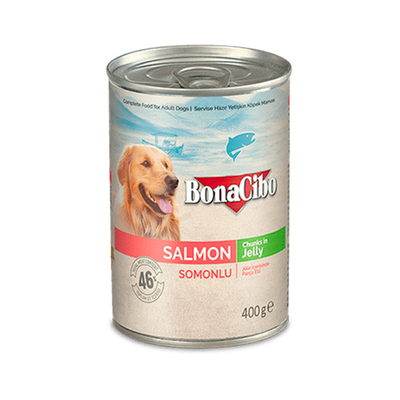

Consider their age
Choose kitten, adult, or senior formulas tailored for developmental stage.


Siberian Husky Training
Huskies are highly intelligent but notoriously stubborn. They obey commands if they see a point to them, but if they are bored, they will simply ignore you. Positive, consistent, and patient training is required.

Vertical spaces and climbing
Cat trees, wall shelves, and scratching posts are a must for these agile jumpers who love high vantage points.
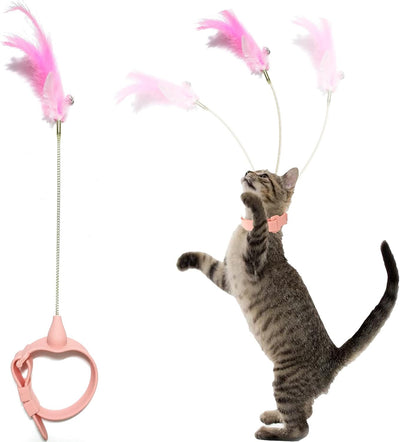
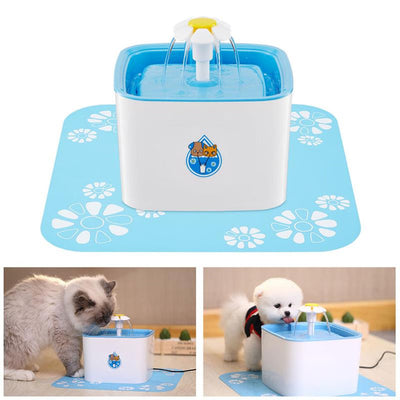
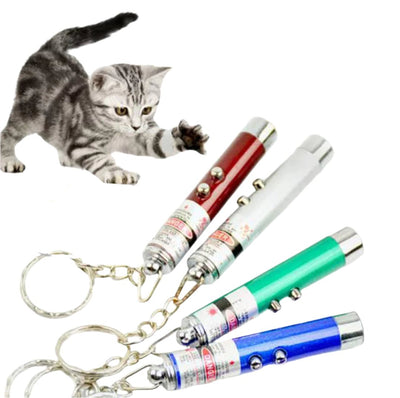
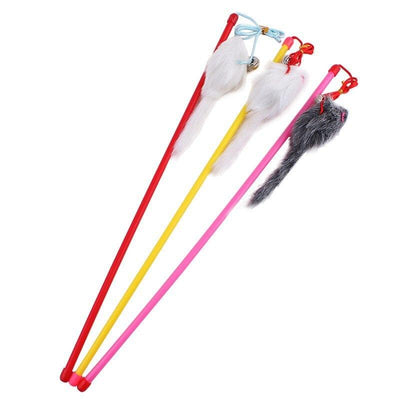
Interactive play
Feather wands, laser pointers, and puzzle toys keep their sharp minds and hunting instincts fully engaged.
Train And Teach New Tricks
Basic obedience training is crucial for Siberian Husky to grasp commands like 'sit,' 'stay,' 'come,' 'heel,' and 'down,' which can be easily facilitated by training treats.
Siberian Husky Grooming
Their stunning double coat protects them from sub-zero temperatures but requires a significant commitment to grooming, especially when the seasons change.

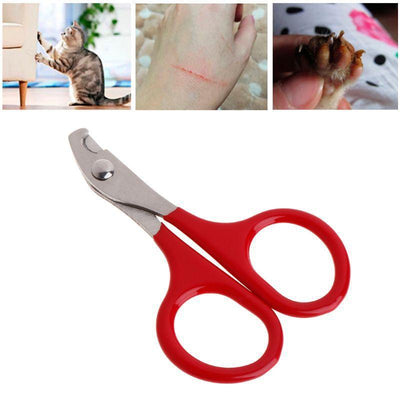
Pet Nail Clippers
Regular nail trims and gentle ear checks keep them comfortable and your furniture scratch-free.

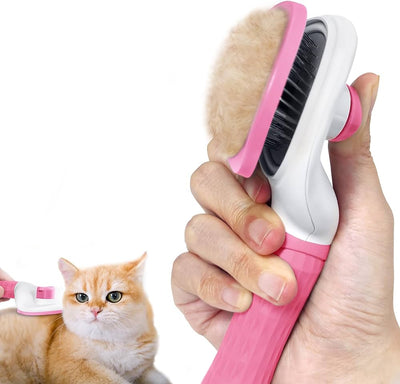
Weekly Brushing
A quick weekly brush removes loose hair, keeps shedding extremely low, and distributes healthy skin oils.

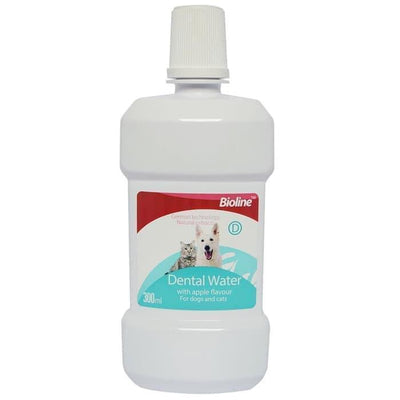
Dental care
Introduce dental treats and routine brushing early to prevent plaque buildup and keep their gums healthy.

Siberian Husky Common Health Concerns
The Siberian Husky is generally a very healthy and robust breed, but they do have genetic predispositions to a few specific issues, primarily concerning their eyes.
Cataracts
This is the most common health issue in Huskies, sometimes developing as early as 6 to 12 months of age (Juvenile Cataracts) and leading to blindness.
Corneal Dystrophy
A genetic condition causing a cloudy or opaque accumulation of lipids in the cornea of the eye.
Progressive Retinal Atrophy (PRA)
A structural issue where the kneecap slips out of its normal groove.
Hip Dysplasia
An underactive thyroid gland which can cause rapid weight gain, lethargy, and poor coat quality.