


Ragdoll Cats: The Floppy and Gentle Giants of the Cat World!
A comprehensive guide to the large, striking, and incredibly affectionate Ragdoll cat breed known for its puppy-like personality.

Adaptability
Ragdolls are extremely adaptable and thrive in almost any indoor environment. Because of their incredibly docile and trusting nature, they are highly suited for apartment living and family homes. They bond deeply with their families and are wonderfully patient with children and other pets.
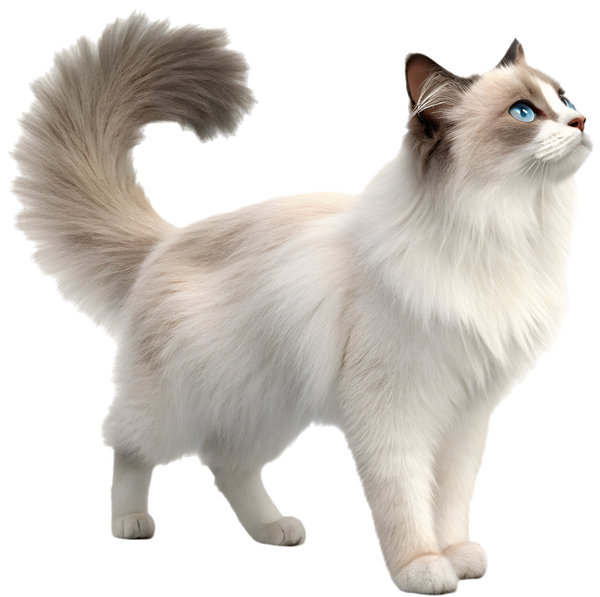
 Hot weather tolerance up to 30°C
 Cold weather tolerance up to 10°C
Ragdoll Personality & Traits
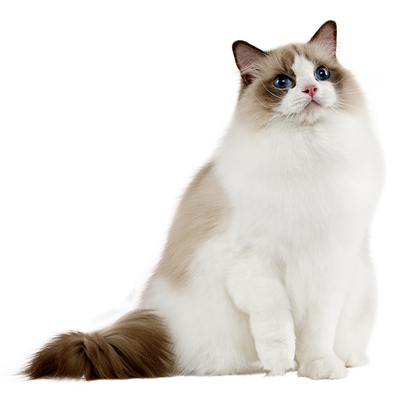
Known as "puppy cats," Ragdolls love to follow their humans from room to room, greet them at the door, and sleep in their beds. They are famous for their namesake trait: completely relaxing and going completely limp like a child's ragdoll when picked up.
Ragdoll Diet
Being one of the largest domestic cat breeds with a relatively low energy level, Ragdolls require a carefully monitored diet to support their massive frames without allowing them to become overweight.

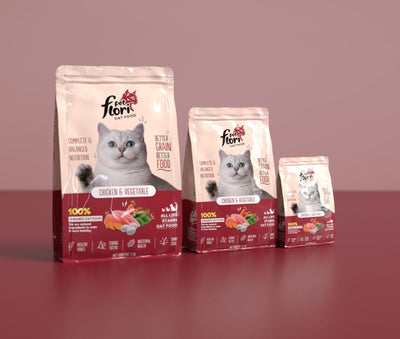
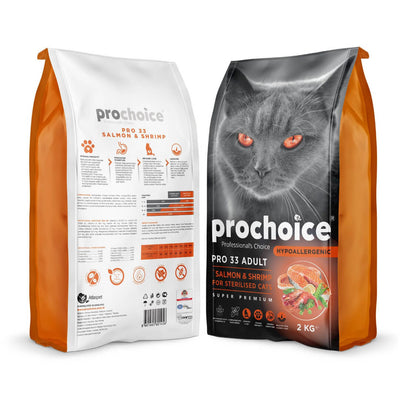
Choose a protein-rich diet
Focus on high-quality meat sources to fuel their high energy and maintain their muscular build.
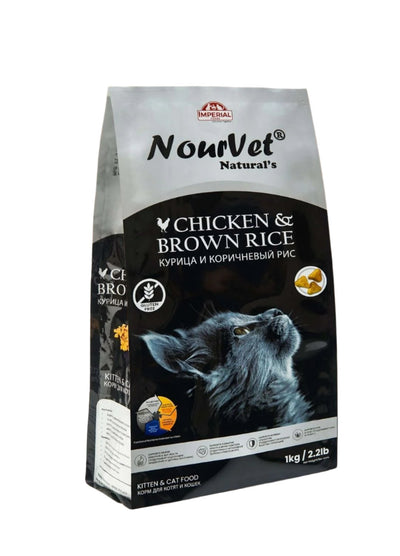
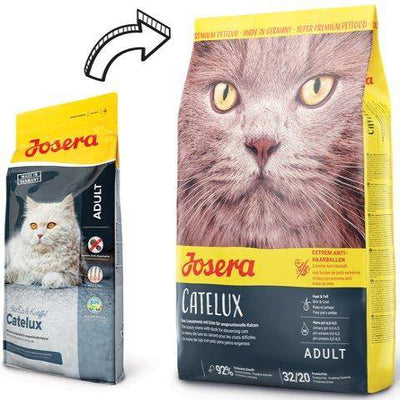
Avoid fillers & additives
Keep their digestion smooth and coat shiny with natural, grain-free options.
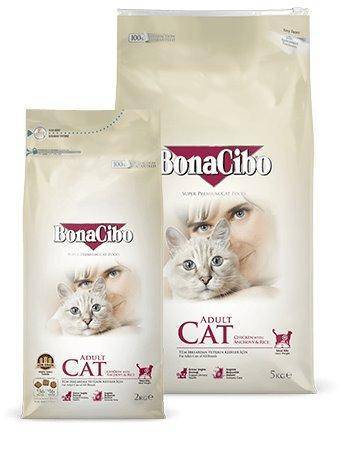
Consider their age
Choose kitten, adult, or senior formulas tailored specifically for a Bengal's developmental stage.

Ragdoll Training
Ragdolls are very intelligent and eager to please. They respond remarkably well to positive reinforcement and can easily be taught to come when called, play fetch, or even walk on a leash.

Vertical spaces and climbing
Cat trees, wall shelves, and scratching posts are a must for these agile jumpers who love high vantage points.
Interactive play
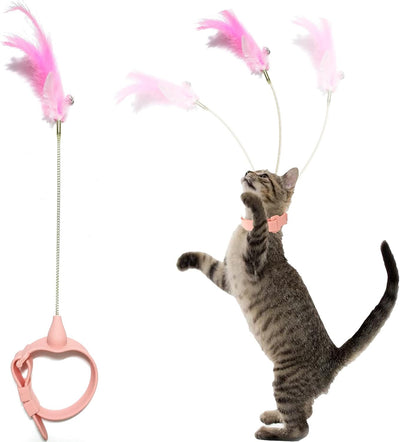
Feather wands, laser pointers, and puzzle toys keep their sharp minds and hunting instincts fully engaged.
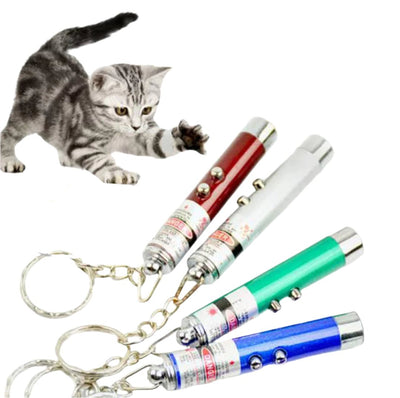
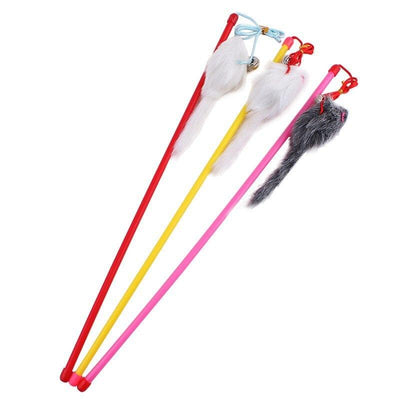
Train And Teach New Tricks
Basic obedience training is crucial for Ragdoll to grasp commands like 'sit,' 'stay,' 'come,' 'heel,' and 'down,' which can be easily facilitated by training treats.
Ragdoll Grooming
Despite having a luxurious, semi-long coat, Ragdolls actually lack a dense undercoat, which means they are less prone to severe matting compared to other longhaired breeds like Persians.

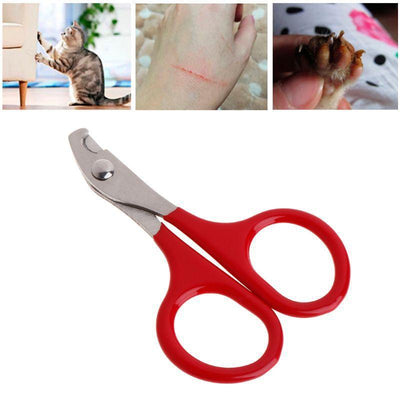
Pet Nail Clippers
Regular nail trims and gentle ear checks keep them comfortable and your furniture scratch-free.
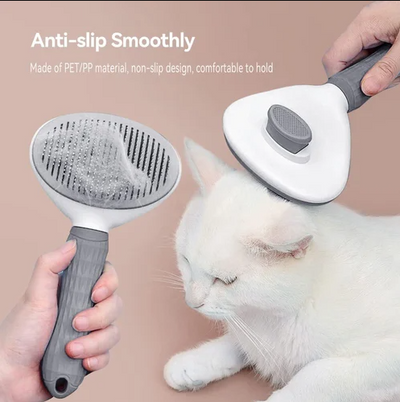
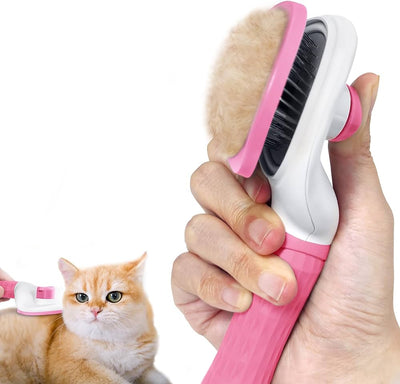
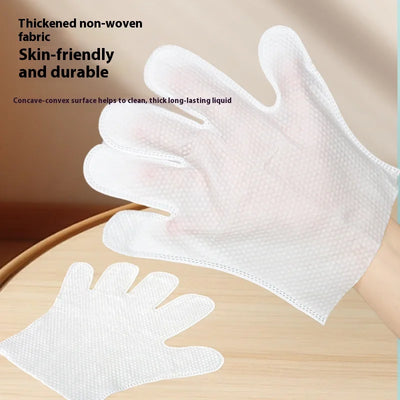
Weekly Brushing
A quick weekly brush removes loose hair, keeps shedding extremely low, and distributes healthy skin oils.
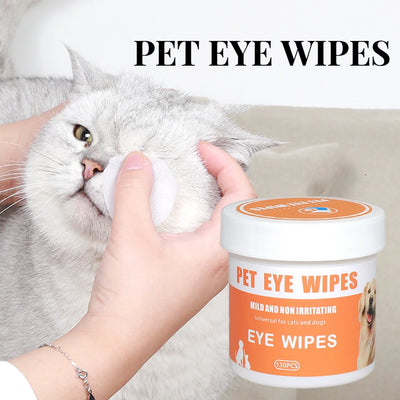
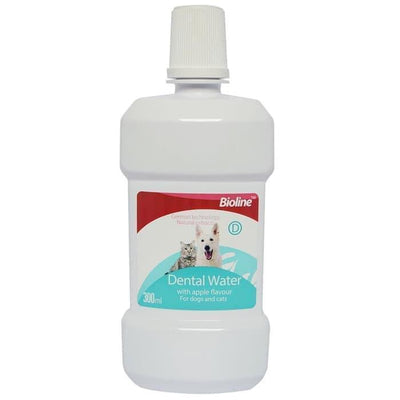
Dental care
Introduce dental treats and routine brushing early to prevent plaque buildup and keep their gums healthy.
Ragdoll Common Health Concerns
Ragdolls are generally a healthy breed, but their large size and specific genetics mean they have a few predispositions to monitor.
Hypertrophic Cardiomyopathy (HCM)
The most common heart disease in cats. Ragdolls have a specific genetic mutation linked to HCM, and reputable breeders screen for it.
Polycystic Kidney Disease (PKD)
An inherited condition causing cysts in the kidneys, which can be screened for via DNA testing.
Obesity
Their laid-back nature makes them prone to weight gain, which can severely impact their joints and internal organs.
Urinary Tract Issues
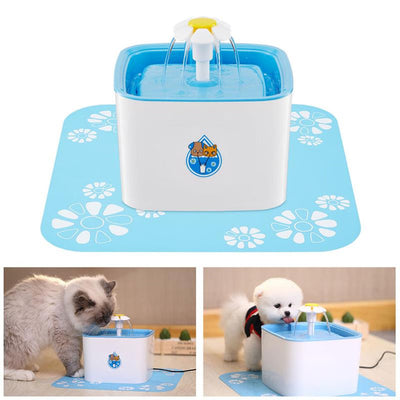
Like many indoor cats, they can be susceptible to urinary tract infections or feline lower urinary tract disease (FLUTD), making wet food and hydration important.